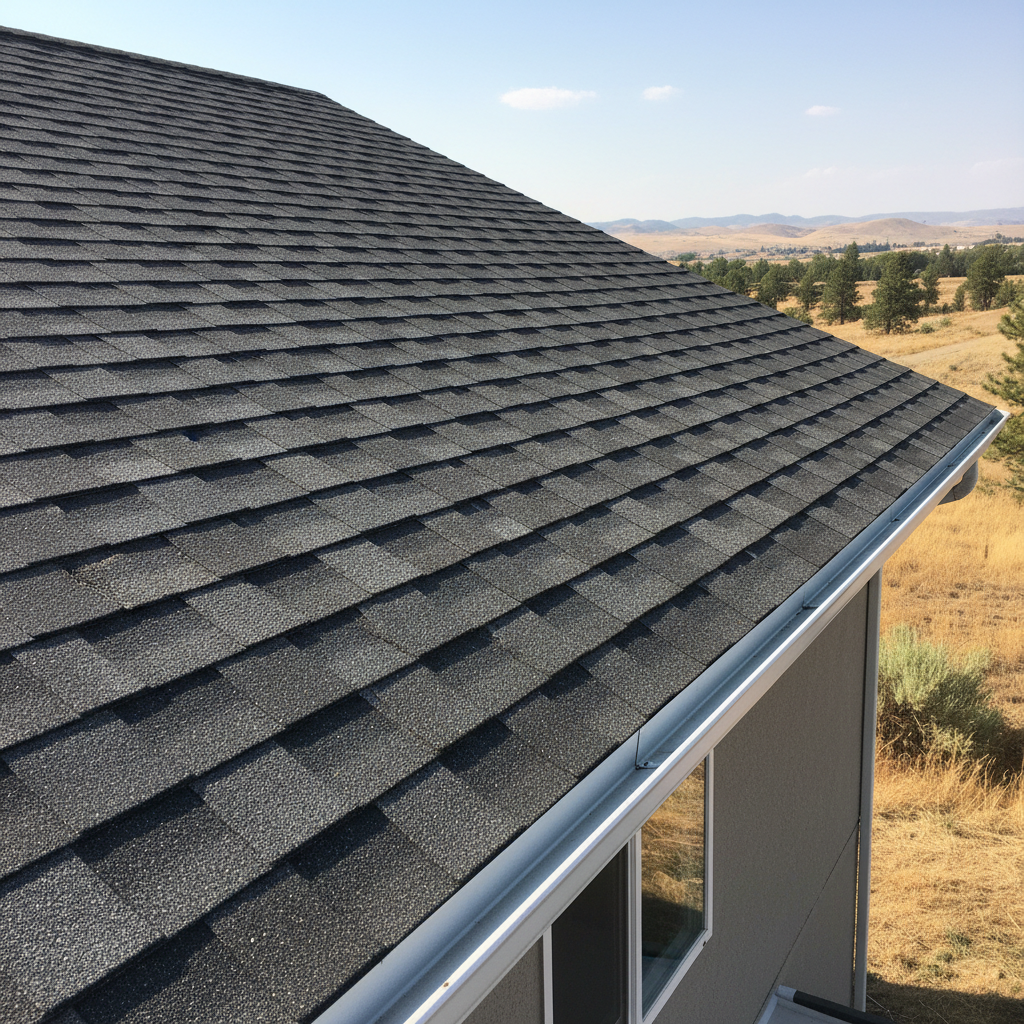
Alright, let's talk about your roof. It's probably the most important part of your house, protecting everything you own and everyone you love. But how often do you really look at it? Most folks don't give it a second thought until there's a leak, and by then, you're usually dealing with a bigger problem and a bigger bill. You don't need to be a roofing expert to do some basic checks, but you do need to know what you're looking for and, more importantly, when to step back and call in the pros.
Before You Even Start Looking Up
Before you even think about inspecting your roof, you need to think about safety. I can't stress this enough. If you're not comfortable on a ladder, or if your roof is steep, wet, or icy, stay on the ground. Seriously. A fall isn't worth saving a few bucks on an inspection. If you've got a two-story house, especially with some of those steeper pitches we see in neighborhoods like Badger Mountain, a good pair of binoculars from the ground is often your best friend. Make sure you've got good light – a bright, clear day is perfect. Overcast days can hide subtle damage, and you definitely don't want to be doing this in the rain or when it's windy.
What You Can Check From the Ground (DIY)
This is where most homeowners can make a real difference. Grab those binoculars and walk around your house. Take your time. Look for:
- Missing or Damaged Shingles: Are there any shingles that are curled, cracked, or simply gone? If you see bare spots, that's a red flag.
- Granule Loss: Shingles have granules that protect them from the sun. If you see a lot of these in your gutters or at the base of your downspouts, your shingles are aging and losing their protective layer.
- Sagging: Is any part of your roofline dipping or sagging? This could indicate a serious structural issue, not just a shingle problem.
- Flashing Issues: Flashing is that metal material around chimneys, vents, and skylights. It's there to prevent water from getting in. If it's bent, rusted, or looks like it's pulling away, you've got a potential leak waiting to happen.
- Gutter Problems: Are your gutters clogged with leaves, debris, or those shingle granules we just talked about? Clogged gutters can cause water to back up under your shingles, leading to rot and leaks.
- Moss or Algae Growth: While not always immediately damaging, heavy moss or algae can trap moisture and accelerate shingle deterioration. It's also a sign that parts of your roof might not be drying out properly.
- Debris: Branches, leaves, and other junk sitting on your roof can trap moisture and damage shingles.
Take pictures of anything that looks suspicious. It'll help you remember and show a professional if you decide to call one.
When It's Time to Call a Pro (Richland Roofing Company, for example)
Okay, so you've done your ground-level check. If you see any of the serious issues I just mentioned – major granule loss, sagging, significant flashing damage, or a lot of missing shingles – don't try to fix it yourself. That's when you call in a professional like us at Richland Roofing Company. Here's why you need a pro for certain things:
- Safety: We've got the right safety gear and training to be on your roof.
- Expert Eye: We know what subtle signs of damage to look for that you might miss, especially after a windstorm or a particularly harsh winter.
- Attic Inspection: A good roof inspection isn't just about what's on top. We'll check your attic for signs of leaks, proper ventilation, and insulation issues. This is crucial because many roof problems show up in the attic first.
- Detailed Assessment: We can give you a comprehensive report, often with photos, detailing the condition of your roof, its remaining lifespan, and any recommended repairs.
- Warranty Protection: Sometimes, attempting DIY repairs can void your roof's warranty.
Also, if you've had a big storm roll through, even if you don't see obvious damage from the ground, it's a good idea to get a professional inspection. High winds, hail, or heavy rain can cause damage that isn't visible to the untrained eye but can lead to big problems down the road.
After the Inspection
Whether you did a quick ground check or had a professional come out, make sure you keep records. If you took pictures, save them. If a pro gave you a report, file it away. This documentation can be really helpful for insurance claims down the line or when you're planning for future repairs or replacement. Regular, even annual, checks are key to extending the life of your roof and catching small problems before they become expensive headaches. Your roof works hard for you; a little attention goes a long way in keeping your home safe and dry.