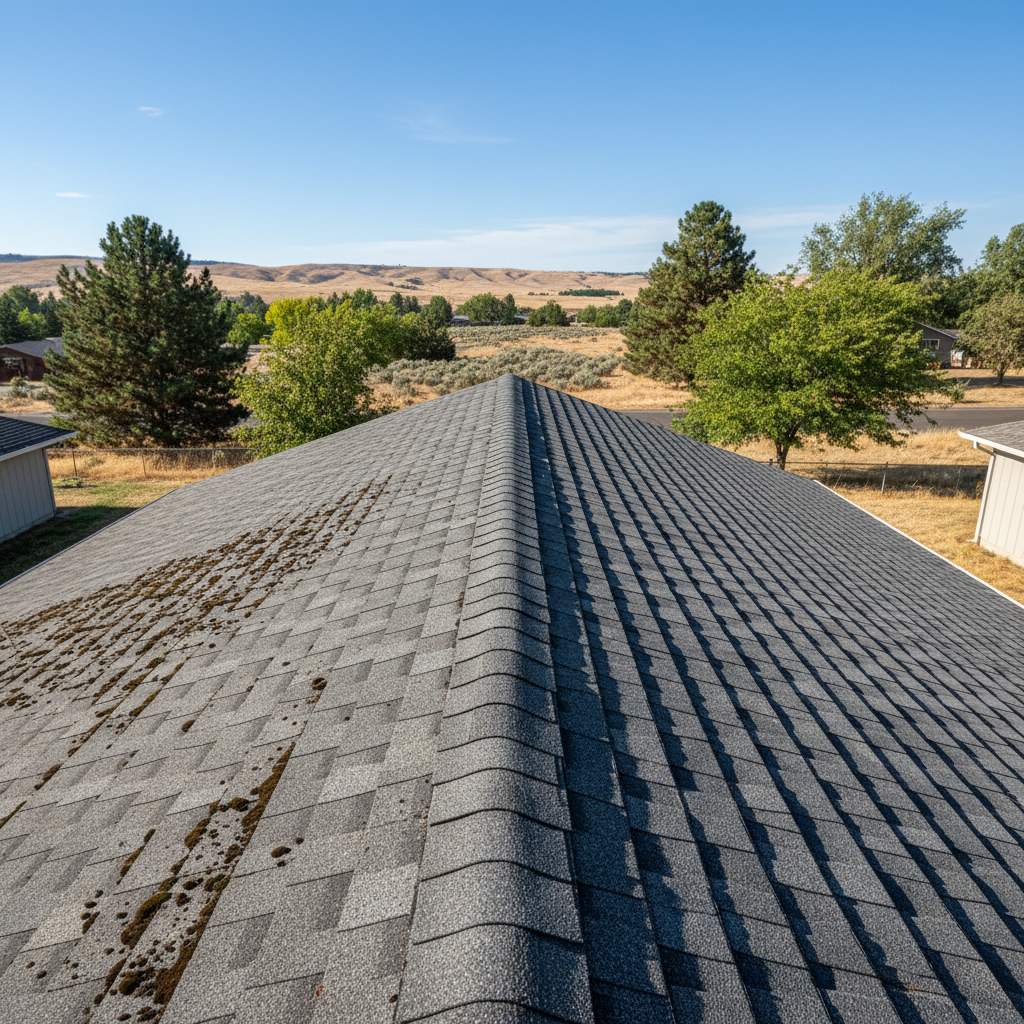
Alright, so your roof's seen better days, and you're staring down a full replacement. That's a big decision, no doubt. Right from the start, you'll probably hear about two main ways to get it done: a complete tear-off or an overlay. I've been doing this for a long time here in Richland, and believe me, I've seen plenty of both. Let's really dig into what each option means for your home, your wallet, and — most importantly — how long that new roof is actually going to last.
What's a Roof Overlay?
An overlay, sometimes folks call it a re-roof, is pretty much what it sounds like. We just install new shingles right over your existing ones. It's a quicker process, and usually, it costs less upfront. You skip the labor costs of tearing off all the old material, and you save on disposal fees too. It's kind of like putting a new coat on an old one. Sounds pretty good, doesn't it? Well, sometimes it is, but honestly, it's not always the best fit for every situation.
The Full Tear-Off: Starting Fresh
A tear-off means exactly that: we strip everything down to the bare roof decking. All the old shingles, the felt paper, any other underlayment — it all comes off. Then, we inspect the decking for any damage, fix whatever needs fixing, and install a brand-new underlayment system before laying down your new shingles. It's a more involved job, takes longer, and costs more initially. That's because of the extra labor and disposal, of course.
Cost Comparison: Initial vs. Long-Term
Okay, let's talk about the money. Upfront, an overlay will almost always be cheaper. You're saving on labor, dumpster fees, and the time it takes to do the job. For some folks in Richland, especially if they're planning on selling in the next few years or are on a tighter budget, that initial saving can be really appealing. But here's the catch, and it's a big one: that initial saving doesn't always translate to long-term value.
A tear-off costs more upfront, absolutely. But you're getting a completely fresh start. You aren't building on potential problems. Over the lifespan of the roof, that tear-off often ends up being the more cost-effective choice. Why? Because you're getting the full expected life out of your materials, and you're much less likely to run into unexpected issues down the road.
Durability and Lifespan: What's Underneath Matters
This is where the rubber meets the road, particularly with our hot Richland summers and those occasional high winds we get. With an overlay, you're just adding weight to an existing structure. If the original roof already had soft spots, rot, or compromised decking, putting new shingles over it doesn't fix those problems. It just hides them. Those issues can get worse, leading to your new roof failing sooner than it should. Plus, that extra layer of shingles can trap more heat, which might make both the old and new shingles age faster. Not ideal, right?
With a tear-off, we get to see everything. We can spot and replace any rotten or damaged plywood, make sure proper ventilation pathways are clear, and install a brand-new, sturdy underlayment. This means your new roof goes down on a solid, clean foundation. It's going to perform better, last longer, and give you the full manufacturer's warranty without any hidden caveats from an old layer underneath. You're getting maximum durability and the longest possible lifespan out of your investment.
Maintenance and Inspection: Seeing is Believing
When you've got an overlay, it's just harder to spot problems. If you have a leak, for instance, it might travel between the two layers of shingles before it even shows up inside your house, making it tougher to pinpoint the source. It's like trying to diagnose a problem when half the engine is covered up. With a tear-off, every component is new, and if an issue does pop up, it's usually much easier to locate and repair because there's only one layer to deal with.
Appearance: It's Not Just About the Shingles
An overlay can sometimes look a little lumpier or less uniform than a completely new roof. The imperfections of the old roof can transfer through to the new layer. You might see some waviness or unevenness, especially if the old shingles weren't perfectly flat. A tear-off, though, gives you a perfectly smooth, clean deck to work with. That results in a much crisper, more professional finish. For many homeowners, especially in neighborhoods like Badger Mountain South where curb appeal is a big deal, that clean look is really important.
My Recommendation for Richland Homeowners
Look, I'm a straight shooter. For most homeowners in Richland, I'm going to recommend a full tear-off. Yes, it costs more upfront, but it's the right way to do it. It gives you true peace of mind, maximum durability, and the longest life out of your new roof. You get to fix any hidden issues, and you know you're starting with a clean slate. It's simply the best long-term investment for your home.
There are rare cases where an overlay might be considered, usually if the existing roof is in surprisingly good shape and you're really just looking for a very short-term solution. But even then, I'd want to do a thorough inspection to make sure we're not just covering up a ticking time bomb. With our extreme temperature swings and the occasional wind event we get here, you want a roof that's built to last, from the decking up.
When you call Richland Roofing Company, we'll always give you an honest assessment. We'll get up there, take a look, and tell you exactly what we think is the best approach for your specific situation. We're not here to sell you something you don't need, but we are here to make sure your home is protected the right way.